Building the infrastructure
that builds everything else.
Minnesota is at a turning point. The Minnesota Chamber’s 2026 Business Benchmarks report makes it clear - our state is behind. We rank 33rd in GDP growth, 39th in job growth, 40th in labor force growth, and 46th in household income growth. Even more troubling, nearly 48,000 Minnesotans left the state between 2020 and 2024. Families depend on steady paychecks and strong local communities. With population growth stagnant and outmigration accelerating, the only path forward is to attract and build industries that create jobs and expand opportunity.
YesMN! is about encouraging Minnesotans to pause, learn, and consider the facts before saying no. Data centers are one example.
Why Build a Data Center?

each day, and companies consume exponentially more.
In an increasingly connected and technology-forward
world, secure, sustainable data storage is essential.
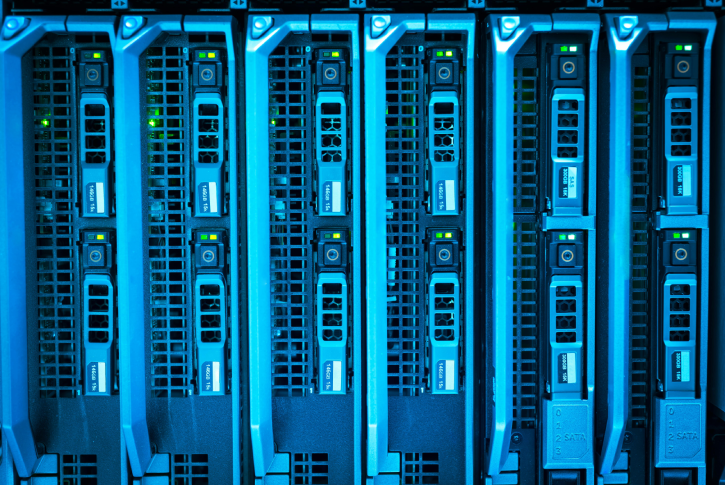
Data centers are purpose-built facilities designed to
house and support computer systems and servers, plus
networking and data storage equipment, which allows
the people and businesses that power our communities
to access the technology and information they need.
to grow, and the rapid growth of artificial intelligence has
added more urgency. Developers are looking toward
communities like ours for the space, power connectivity,
and workforce to build and operate new data centers.
When communities see proposals for new data center
projects in the area, people often have questions. Jobs
for Minnesotans supports local data center development
because we trust Minnesota’s strict policies protecting
the environment, water quality, and energy generation.
Data center projects can support our
communities while also helping the local economy grow
and prosper in today’s digital world.
We do things right in Minnesota, and we take care of the
people and land around us. A data center
project is no exception.
We Rely on Data Centers
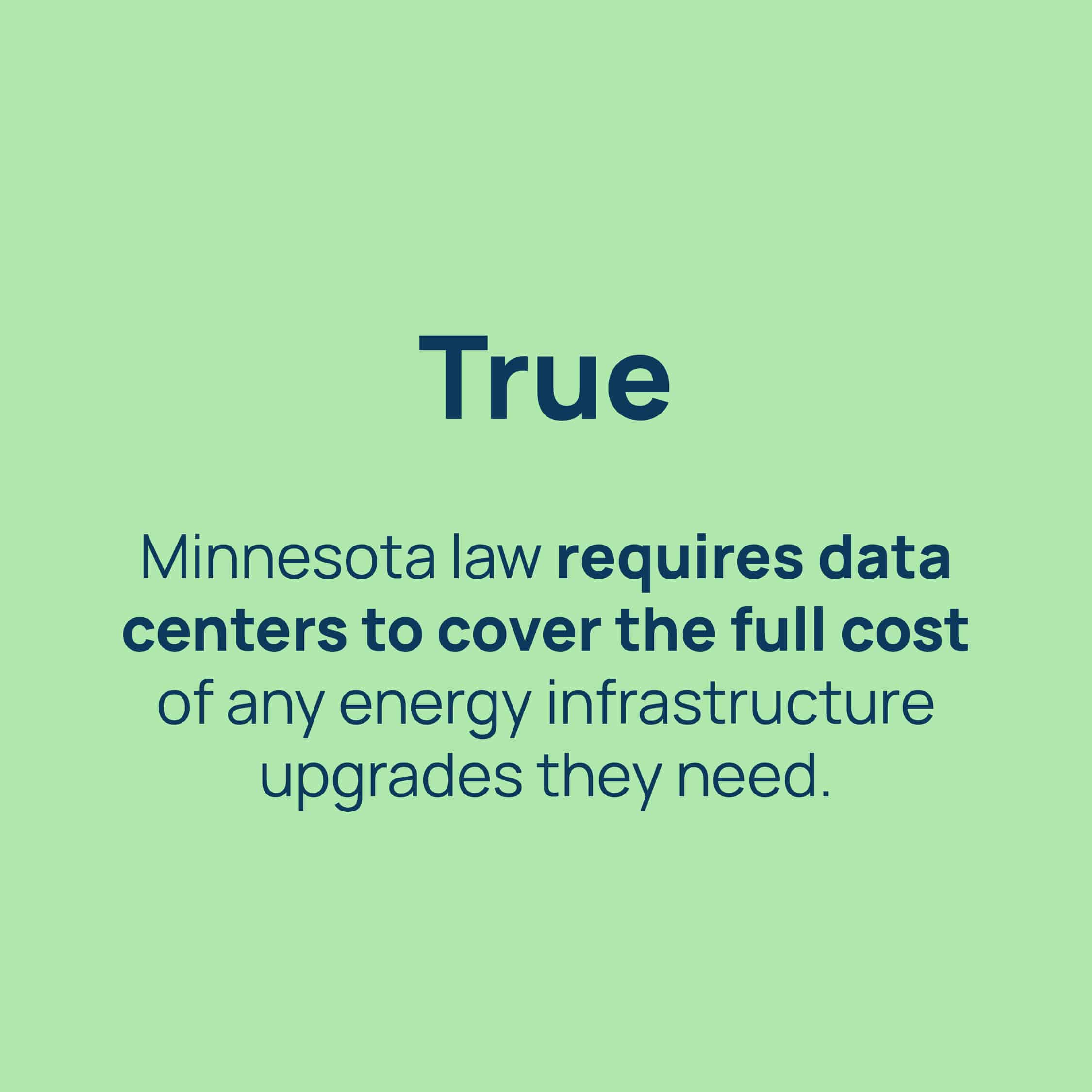
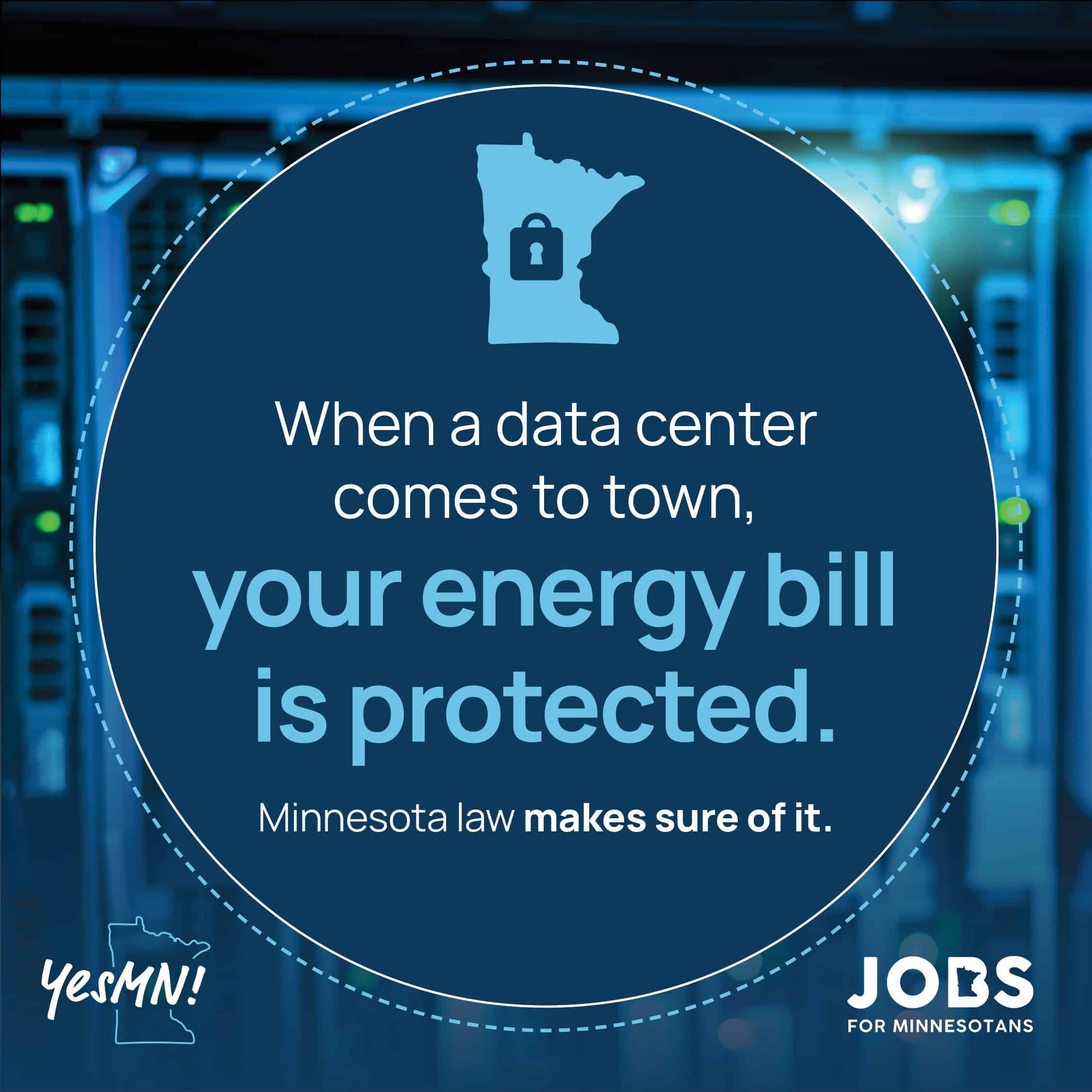
"Very large customers must pay for all costs attributable to them. This means that even if data centers require new energy infrastructure, residential ratepayers shouldn’t see any increase to their bills in order to fund those projects."
Citizens Utility Board Minnesota
Invest in Our
Community’s Future
AI alone will require investing over $5 trillion into
data center development across the globe.
What better place than right here in northern
Minnesota, where we balance environmental
protection, quality of life, and sustainable
business development? Building and operating
a data center in Minnesota will certainly
impact our communities—in many positive ways.


Taxpayer Benefits
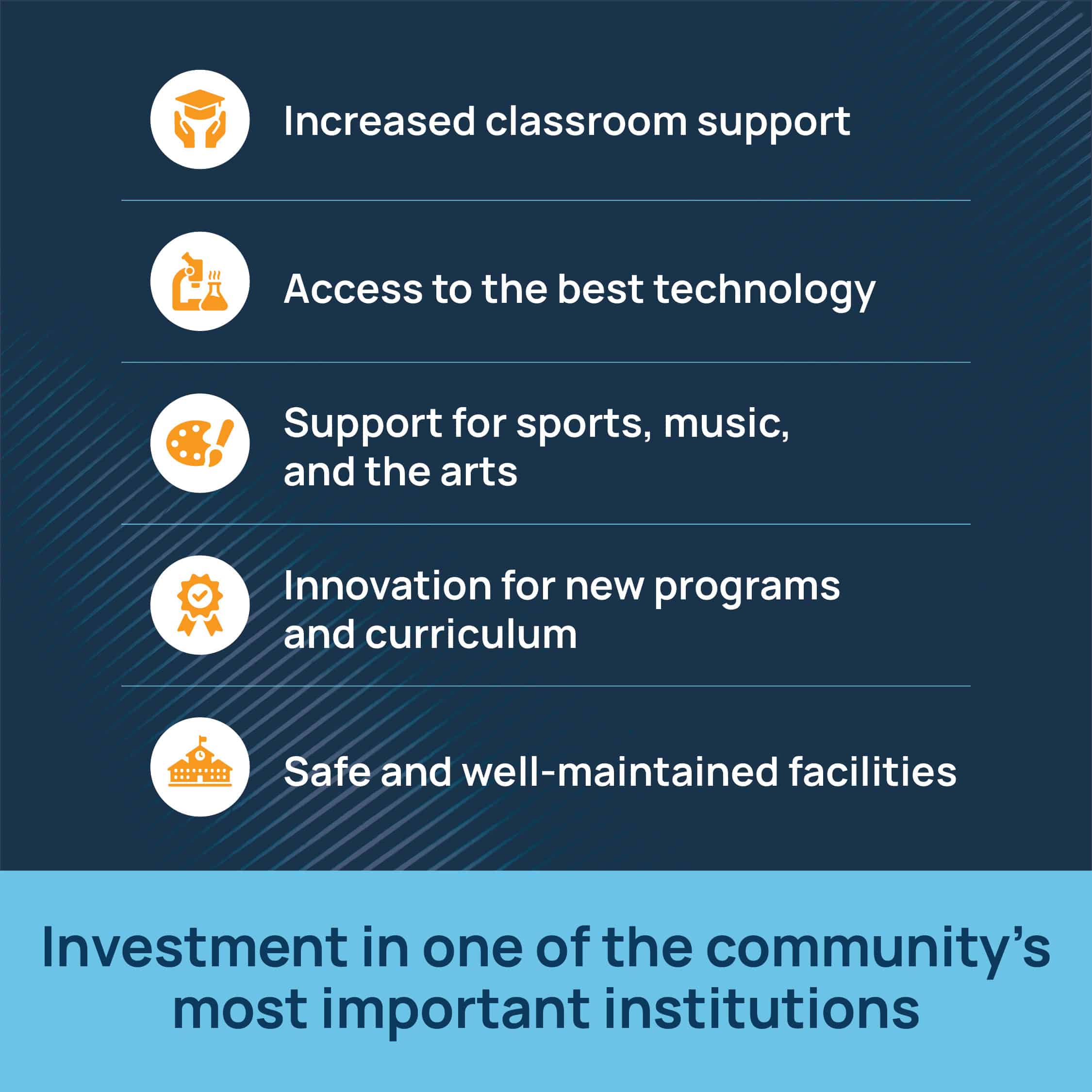
Local taxpayers stand to benefit from the data center project in many ways.





Rachel Johnson, President and CEO, APEX
Data Center Projects
In the News
Communities like ours across the nation are embracing data center
development projects. Read more about how people, businesses, and local
governments are coming together to build the future of our nation.
What Happened When Small-Town America Became Data Center, U.S.A.
Wall Street Journal
When Amazon grew its data center fleet in northeast Oregon, rural areas experienced a dramatic economic
transformation with job creation, economic and real estate development and population growth. With increased demand for AI, development shows no signs of slowing.
Citizens Utility Board spearheads nation-leading legislation to protect ratepayers from the costs to serve data centers
Citizens Utility Board
Data centers use a tremendous amount of energy, and without careful oversight, this can increase the cost of electricity. In Minnesota, strong legal protections under the “Service to Very Large Customers” provision ensure data centers alone—not citizens or other businesses—cover their own electrical costs.
Data centers bring money to small towns. But do they also bring jobs?
NPR
Tech companies are investing hundreds of billions of dollars in data centers across the country. In the small towns embracing new data centers, the hundreds of construction jobs created during the building process, plus the 50-100 permanent jobs in each data center, generate significant positive impacts.
How data centers are transforming local communities
Fast Company
Data centers boost the communities where they’re located by creating jobs and supporting revitalization efforts. They also drive the shift to green power, support the local labor market, create community partnerships and help attract new businesses to the area.
AI, data centers add to economic development, experts say
Manufacturing Dive
Manufacturing lies at the heart of the AI boom. “A lot of folks don’t think of AI as manufacturing or manufacturing processes,” said Jay Timmons, CEO and president of the National Association of Manufacturers. “The truth of the matter is, every form of technology has begun with manufacturers, and we drive it forward.”
Resources
Keep exploring data centers. The more we all learn, the more we can work
together to make sure this project is built to our community’s high
standards.
Union leader: Minnesota can lead on responsible data center development
The Minnesota Star Trubune
Minnesota only moves forward when we choose progress over fear and collaboration over division.
This is the challenge ahead as communities debate data center development, artificial intelligence infrastructure, energy demand and economic growth. These are serious issues, and they deserve serious answers.
Get the facts: Responsible data center development powers communities
Jobs for Minnesotans
Data centers represent one of the most significant infrastructure opportunities of our time, bringing high-wage construction jobs, long-term tax base growth, and the tangible potential to accelerate Minnesota’s clean energy transition. Find information on electricity, sustainablilty, and jobs.
Can US infrastructure keep up with the AI economy?
Deloitte
There are significant obstacles to data center development. The scale of AI data centers is growing exponentially, and the amount of power they require is immense. Other gaps include supply chain disruptions, tariff costs, and power capacity development, workforce skill gaps and permitting processes.
Click to Read MoreHow data centers transform and engage with local communities
JLL
Data centers are powerful economic engines that create thousands of high-quality jobs and generate substantial tax revenue for local governments—helping fund schools, infrastructure, and public services while reducing residents’ tax burdens. Their investments strengthen communities by improving electrical grids, advancing renewable energy, and fostering innovation ecosystems that attract supporting businesses and talent.
Click to Read MoreA new era of load growth: How data centers are becoming part of our communities and energy system
PwC
Data centers continue to increase demand for power. In addition to contributing taxes and jobs, data centers can also become part of the grid by helping alleviate congestion and, over time, becoming a load-balancing asset. Utilities should seek to leverage the scale and capabilities of the technology sector.
Click to Read MoreThe cost of compute: A $7 trillion race to scale data centers
McKinsey & Co.
Compute power is emerging as one of this decade’s most critical resources, and the path ahead is uncertain—high risk, high reward. All eyes are on AI, which is simultaneously raising the bar for what’s possible and increasing the investment dollars required to support its growth.
Our electric grid and data centers
Minnesota Power
In Minnesota, data centers are required to pay for the full cost of connecting to our system to power their business. Residential and other customers will not help pay for those costs.
Click to Read MoreLocal View: Minnesota must say yes to projects like data centers
Duluth News Tribune
From the column: "By saying yes to responsible projects, we're saying yes to union jobs, community investment, and a Minnesota that will lead again."